
The first vegetable garden is usually a lesson in enthusiasm. Seed packets go in thick, every bare patch gets a transplant, and the hose runs a little every evening. Then the carrots come up like grass, the tomatoes sulk, and the lettuce bolts before it heads. Most of these disappointments aren’t mysterious. They come from a handful of small decisions made early, and each one has a straightforward correction. Here are ten common mistakes, grouped by the part of the garden they affect, with fixes you can use this season.
Spacing mistakes that shrink your harvest
Mistake 1: Sowing too thickly. Seed is cheap; space is not. A pinch of carrot seed dropped in a row can produce a dense carpet of seedlings that compete for water, light, and nutrients. The same happens with beans, beets, and salad greens. Dense foliage traps moisture, which invites damping-off and mildew. The fix is to sow thinly and mark the row. For small seeds, mix them with a little dry sand or cornmeal to spread them more evenly. Check the packet for final spacing, then ignore the urge to fill every gap. A row that looks sparse for a week will look full by midsummer; a row sown like grass will need hours of thinning.
Mistake 2: Skipping the thinning. Thinning feels wasteful, but leaving every seedling in place is worse. Plants that stay crowded never develop the root or leaf size they could. Thin when seedlings have their first true leaves and the soil is moist, so the ones you keep slide free. Snip extras at soil level with scissors rather than pulling, which disturbs neighboring roots. Use a list like this as a starting point, then adjust for your varieties:
- Carrots and radishes: 1 to 2 inches apart
- Beets and onions: 3 to 4 inches
- Lettuce: 8 to 10 inches for leaf crops, more for head types
- Bush beans: 4 to 6 inches
- Tomatoes: 18 to 24 inches, with a cage or stake
If you hate wasting seedlings, transplant lettuce and basil thinnings into a nursery bed. For carrots, beets, and other root crops, it’s usually better to sow thinly in the first place. Thinning is also easier after rain, when the soil is soft and the unwanted seedlings pull free with less tugging.
Watering mistakes that weaken roots
Mistake 3: Watering a little every day. A daily flick of the hose wets the top inch of soil, so roots stay shallow and depend on you. When a hot day comes, or you miss an evening, the plants collapse. Deep, less frequent watering sends roots down. Aim for about an inch of water a week, including rain, delivered in one or two slow sessions. A finger pushed two inches into the soil tells you more than a dry surface. If it’s dry at that depth, water; if it’s cool and moist, wait. A rain gauge is a small investment that removes the guesswork, especially in a summer of short, splashy storms that wet the leaves but barely reach the roots.
Mistake 4: Watering at the wrong time and in the wrong place. Evening watering leaves foliage wet overnight, which favors fungal problems. Overhead watering also washes soil onto leaves and wastes water between rows. Water in the morning when you can, and direct the water at the soil line. A watering can, soaker hose, or drip line beats a sprinkler for most vegetables. Mulch after watering to hold moisture and keep the soil surface from crusting. Potted plants and raised beds dry faster, so check them separately rather than following the same schedule as the open ground. A tomato in a black pot on a hot patio may need water daily, while the same tomato in a mulched bed may need it twice a week.
Rule of thumb: water the soil, not the plant. Leaves dry faster when the water goes where the roots are.
Timing mistakes that waste good seed
Mistake 5: Planting before the soil is ready. A warm afternoon in early spring is not the same as warm soil. Tomatoes, peppers, cucumbers, and squash set back in cold ground; their roots stall, and the plants become targets for pests and disease. Cool-season crops such as peas, spinach, lettuce, and radishes tolerate cooler soil, but even they rot if the ground is waterlogged. Use a soil thermometer, or squeeze a handful of soil: if it stays in a mud ball, wait. Harden off transplants over a week or two before setting them out. Move them outside for a few hours on a mild day, then longer, and protect them from wind and strong sun at first. A tomato planted a week later in warm soil often passes one planted early into cold mud.
Mistake 6: Planting everything at once. One big sowing in May means a mountain of beans in July and nothing later. Succession sowing spreads the harvest. Sow salad greens, radishes, and beans every two to three weeks in small patches. Start a second crop of kale or broccoli for fall. Keep notes on sowing dates and what worked, because your garden’s timing is local. A bed that is empty in July can still produce carrots, turnips, or fall peas if you sow immediately after clearing the first crop. Even a short row of lettuce sown in late summer can extend the salad season into cool weather.
Soil and feeding mistakes that backfire
Mistake 7: Treating soil as an afterthought. Vegetables are heavy feeders, and compacted, tired soil shows it. Before planting, spread an inch or two of compost and work it into the top few inches, or lay it on top as mulch. Compost improves drainage in clay and holds water in sand. Avoid digging wet soil, which creates hard clods. If soil is compacted, wait until it crumbles, then loosen it with a broadfork or grow a cover crop such as winter rye or crimson clover. A simple soil test every few years takes the guesswork out of pH and fertility. Most vegetables prefer a pH near 6.0 to 7.0, and no amount of fertilizer will fix a soil that is too acidic or too alkaline for the crop.
Mistake 8: Feeding too much or feeding the wrong thing. It is easy to assume that more fertilizer means more vegetables. In reality, too much nitrogen can produce waist-high tomato vines with almost no fruit, soft lettuce that bolts quickly, and root crops that grow leaves instead of roots. Fresh manure piled on a bed can burn seedlings or introduce weed seeds. Compost is usually enough for a healthy garden. If plants look pale or slow, check water, temperature, and soil first, then side-dress lightly with a balanced organic fertilizer. Leafy crops such as kale and lettuce appreciate nitrogen, while fruiting crops such as tomatoes and peppers need balanced fertility and steady moisture. More is not better; steady is.
Pest, disease, and harvest mistakes
Mistake 9: Waiting for a problem to become an infestation. Pests and diseases are easier to manage when they are small. Walk the garden every few days and look at the undersides of leaves, the growing tips, and the soil line. Yellow eggs on cabbage leaves, aphids clustered on new growth, or a single spotted leaf are early warnings. Cover susceptible crops with row cover before the cabbage white butterflies appear. Rotate crops so tomatoes, peppers, potatoes, and eggplant do not follow one another in the same bed. Remove diseased leaves and spent plants rather than leaving them to spread spores. Encourage beneficial insects by planting flowers nearby, and handpick large pests when numbers are low. A healthy garden is not pest-free; it is a garden where problems are noticed early.
Mistake 10: Harvesting too late or too roughly. Vegetables do not wait politely for the weekend. Zucchini left a day too long becomes a baseball bat, beans turn stringy, cucumbers yellow, and lettuce turns bitter in the heat. Pick in the morning when the garden is cool and the crop is crisp. Use clean pruners or a sharp knife for stems, and hold the plant with one hand while cutting with the other. Do not yank. Harvest often, because many plants stop producing once their fruit matures. A single overgrown zucchini can signal the plant to slow down; remove it and keep picking small. For herbs, pinch the tips to encourage bushy growth, and for leafy greens, cut outer leaves first so the plant keeps growing.
A ten-minute weekly walk that prevents problems
Set aside ten minutes once a week to walk the garden with a bucket and a pair of pruners. Look for wilted leaves, holes, sticky residue, weeds, and plants that are ready to pick. Pull the weeds while they are small and before they set seed. Check the soil under the mulch with your finger. Harvest anything that is ready, even if it is only a handful of beans. This weekly walk is not a chore so much as an early warning system. Most garden problems are easier to fix on the day you notice a few aphids than on the day the whole row is covered.
Records that make next season easier
Keep a simple record of what you planted, when you planted it, and how it did. A notebook, a calendar, or a spreadsheet all work. Note the variety, the sowing date, the first harvest, and any problems such as poor germination or disease. Sketch a rough map of the beds so you can rotate crops next year. These notes are more useful than memory, especially by the following spring. They tell you which tomato was worth growing again, which lettuce held up in heat, and which bed needs compost before the next crop. A garden improves fastest when you learn from your own mistakes, not just the ten common ones.
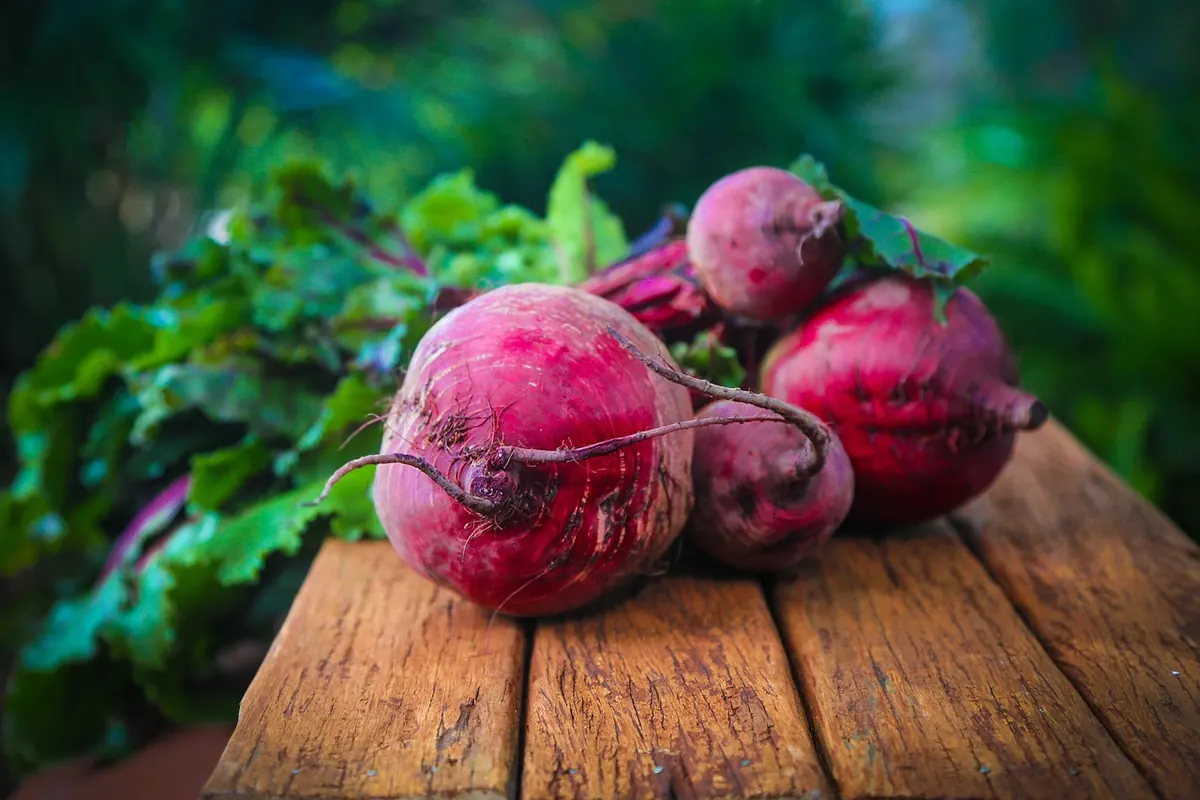
Photo: Desertrose7 / Pixabay
Related posts
More stories you’ll love reading