
A sunny windowsill, a metre of balcony railing and a few decent pots will keep a household in basil, parsley and chives from late spring well into autumn. The herbs that sulk and die and the ones that quietly take over are usually separated by a handful of decisions made in the first week: how big the pot is, where it sits, what goes in it, and how much water arrives afterwards. None of those decisions is difficult. They just need to be made in the right order.
Choose the pot before you choose the plant
Small pots are the most common reason container herbs fail. A 10 cm pot of basil dries out in a single warm afternoon, and no amount of attentive watering fully makes up for it. As a working rule, give each herb at least 5 to 7 litres of compost and a pot 20 to 25 cm across. Rosemary, sage and bay, which become woody shrubs, want more: 15 litres or a pot closer to 30 cm. Chives and thyme will manage in something smaller, around 15 cm, but they will be happier and easier to keep watered one size up.
Drainage is not negotiable. Every pot needs holes in the base and a centimetre or two of coarse material, or simply a raised foot, so water can leave freely. Terracotta breathes and dries quickly, which suits rosemary, thyme and oregano; plastic and glazed pots hold moisture longer, which basil, mint and parsley prefer. Light-coloured pots stay cooler at the root zone in strong sun, and square pots fit more plants along a narrow ledge than round ones do.
Light is the factor you cannot argue with
Most culinary herbs are Mediterranean plants that expect full sun. In practice that means six hours or more of direct light in summer, ideally including the middle of the day. Basil, rosemary, thyme, oregano, sage, dill and coriander all sit in this group. Mint, parsley, chives and lemon balm are more forgiving and will crop acceptably in four or five hours, or in bright shade for part of the day.
On a windowsill, direction matters more than anything else. A south-facing window gives the strongest light; east and west give good light for half the day; north-facing glass suits little beyond mint and parsley, and even those will stretch. Turn pots a quarter turn each week so plants grow evenly instead of leaning into the glass, and remember that a plant set back from the window can receive a fraction of the light that reaches the sill itself. On balconies, watch for walls and railings that shade pots for part of the day, and for wind, which dries leaves and snaps tall stems; a corner or a low screen solves most of it.
Soil, feeding and the mistake of using garden earth
Use a bought potting compost, peat-free if you can find a good one, rather than soil dug from the garden. Garden earth compacts in a pot, drains badly and can carry weed seed and pests. For most herbs, a general-purpose compost is fine. For rosemary, thyme, oregano and sage, mix in roughly a third grit or perlite by volume and add a handful of coarse sand; these plants rot at the crown in rich, wet compost.
Feeding should be modest. Herbs grown for their leaves appreciate a little nitrogen, but too much produces soft, floppy growth with less flavour. A liquid feed at half strength every three or four weeks through the growing season is plenty for basil, parsley and chives. Rosemary, thyme and oregano need almost nothing; a little compost top-dressing in spring is enough. Basil in particular loses aroma when pushed with feed.
Watering: read the pot, not the calendar
Container herbs swing between drought and drowning, and both look similar from above: wilting, yellowing, dropping leaves. Push a finger two or three centimetres into the compost before watering. If it is dry at that depth, water thoroughly until it runs from the base, then empty the saucer within half an hour so the roots are not sitting in water. Lifting the pot tells you a great deal once you know its weight when wet.
- Water in the morning where possible, so foliage dries before evening and slugs and fungal problems have less to work with.
- In hot weather, small pots may need water twice a day; group them together to shade each other and slow evaporation.
- Never leave a pot standing in a full saucer for days. Roots need air as much as water.
- Water the compost, not the leaves, and use a rose or a gentle can so seeds and seedlings are not dislodged.
- If you are away, move pots into shade and onto a tray of damp gravel rather than relying on a neighbour's goodwill.
Which herbs earn their limited space
Grow what you actually cook with, and start with three or four pots rather than twelve. These are the reliable choices for small spaces:
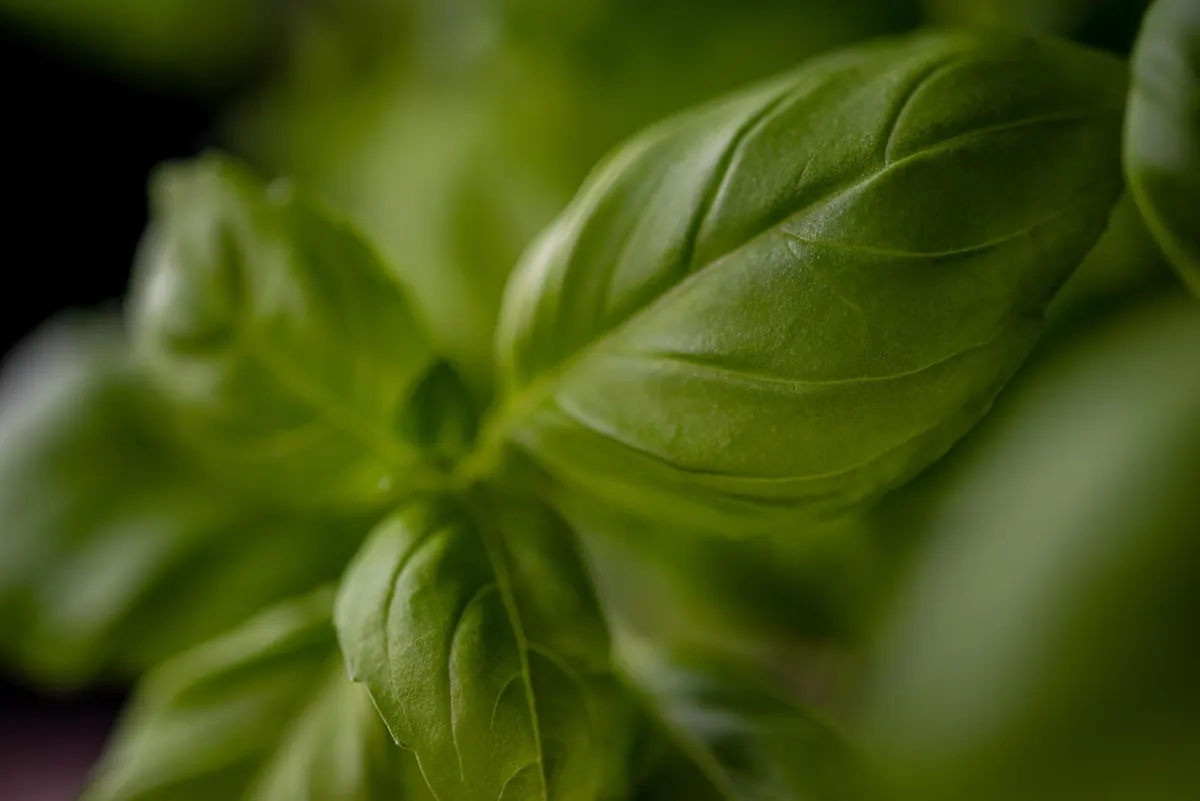
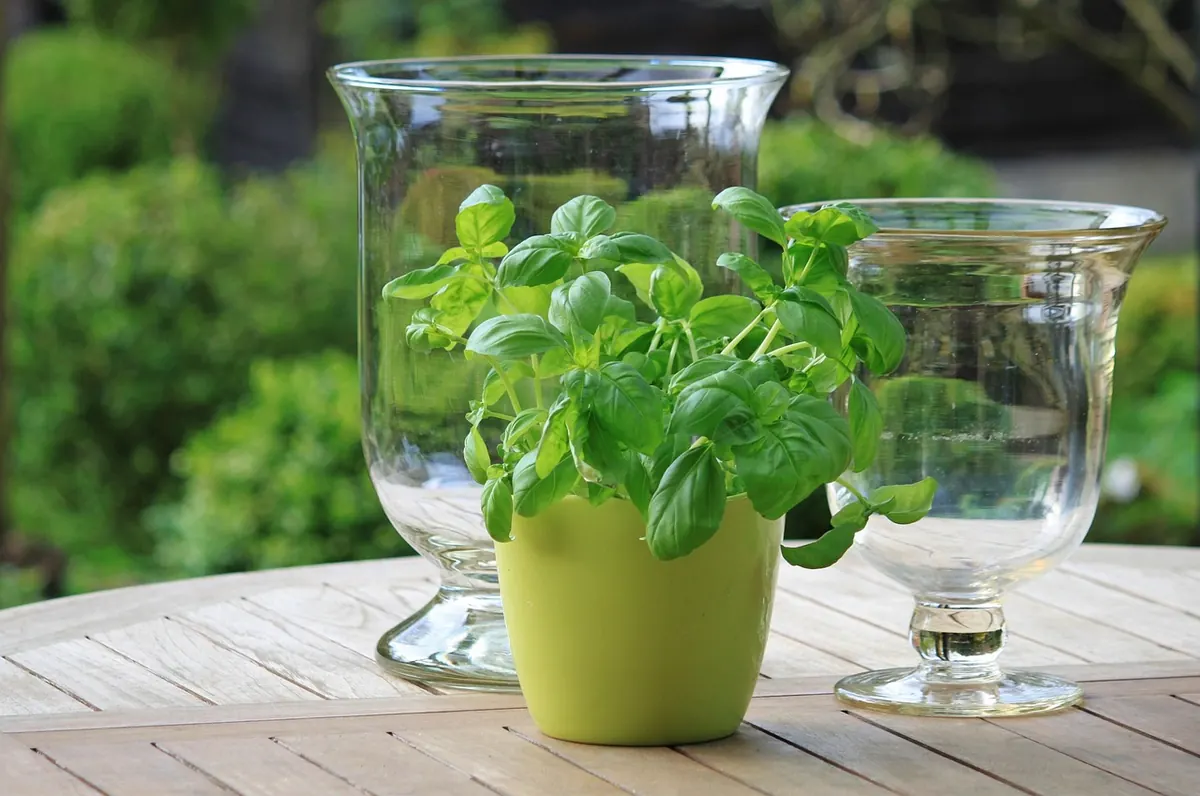
- Basil: the best single windowsill herb. Pinch out the growing tips above a pair of leaves every week or two to keep it bushy, and remove flower buds as they appear.
- Mint: vigorous to the point of invasive. Keep it in its own pot, never share, and it will supply a household indefinitely.
- Parsley: flat-leaf is more useful in the kitchen. It has a long taproot, so give it depth rather than width and sow where it is to grow.
- Chives: trouble-free, ornamental, and one of the few herbs that tolerates a little shade and neglect.
- Thyme and oregano: small, tidy, drought-tolerant, and ideal for a sunny, windy balcony where other things struggle.
- Rosemary and sage: shrubby and long-lived; buy small plants rather than raising them from seed, and give them the largest pots you can spare.
- Coriander and dill: fast and useful, but they bolt in heat. Sow a pinch every three weeks for a continuous supply rather than expecting one plant to last all summer.
Harvest little and often. Take no more than a third of a plant at a time, cutting above a leaf joint, and never strip a young herb bare in its first weeks.
Your first container herb garden, step by step
Pick the sunniest spot you have and count the hours of direct light it receives. Choose three herbs that match that light, buy pots one size larger than you think you need, and fill them with fresh potting compost mixed with grit for the woody Mediterranean types. Plant, water thoroughly, and set the pots where they will not be knocked or scorched against hot glass. Then leave them alone for a few days apart from checking moisture with your finger.
Feed lightly, pinch basil regularly, and expect to lose one plant to overwatering in your first season — nearly everyone does. Keep a small bag of compost and a spare pot on hand for replacements, and sow a fresh pinch of coriander or basil in midsummer when the first plants start to look tired. A windowsill of healthy herbs is not a matter of luck or a special talent. It is mostly a matter of pot size, light and restraint with the watering can.
Photo: cocoparisienne / Pixabay
Related posts
More stories you’ll love reading