
Pest Control
Aphids, Whiteflies, and Caterpillars: Identify and Manage Common Vegetable Pests
October 22, 2026
Some mornings the garden tells you something is wrong before you see the pest itself. A row of beans has curled, shiny leaves. The kale is speckled with whiteflies that lift in a small cloud when you brush past. Cabbage leaves look like lace. Aphids, whiteflies, and caterpillars are regular visitors in vegetable plots, but they do not call for the same response. One group pierces and sucks; another chews. Learning to read the clues—and choosing a method that matches the culprit and the crop—keeps edible harvests safe and your garden’s beneficial insects working.
Scout first, spray later
A slow walk with a cup of coffee is the most useful pest control tool you own. Check the undersides of leaves, the newest growth, and the sheltered inner canopy where pests hide. Turn over a few leaves with your hand, part dense foliage, and look at the soil beneath plants for frass, cast skins, or cut stems. In warm weather, make the rounds every two or three days; in cool weather, once a week is enough. A cheap hand lens helps with tiny nymphs, eggs, and beneficial wasps that are easy to miss.
Not every insect needs action. A few aphids on a vigorous plant are food for ladybug larvae. A chewed leaf here and there on an old cabbage is cosmetic. Treat when the pest is multiplying, when new growth is distorted, or when seedlings and young transplants are at risk. Keep a small notebook and record what you see and where. Patterns show up quickly: whiteflies in the greenhouse corner, aphids on the softest bean tips, cutworms in the bed that was lawn last year. Note the date, crop, pest stage, and weather. A record of “whiteflies increased after three hot, still days” is more useful than a vague memory of “bugs everywhere.”
Early scouting turns a pest outbreak into a small, local problem—and often into free food for beneficial insects.
Aphids: small sap-suckers with big consequences
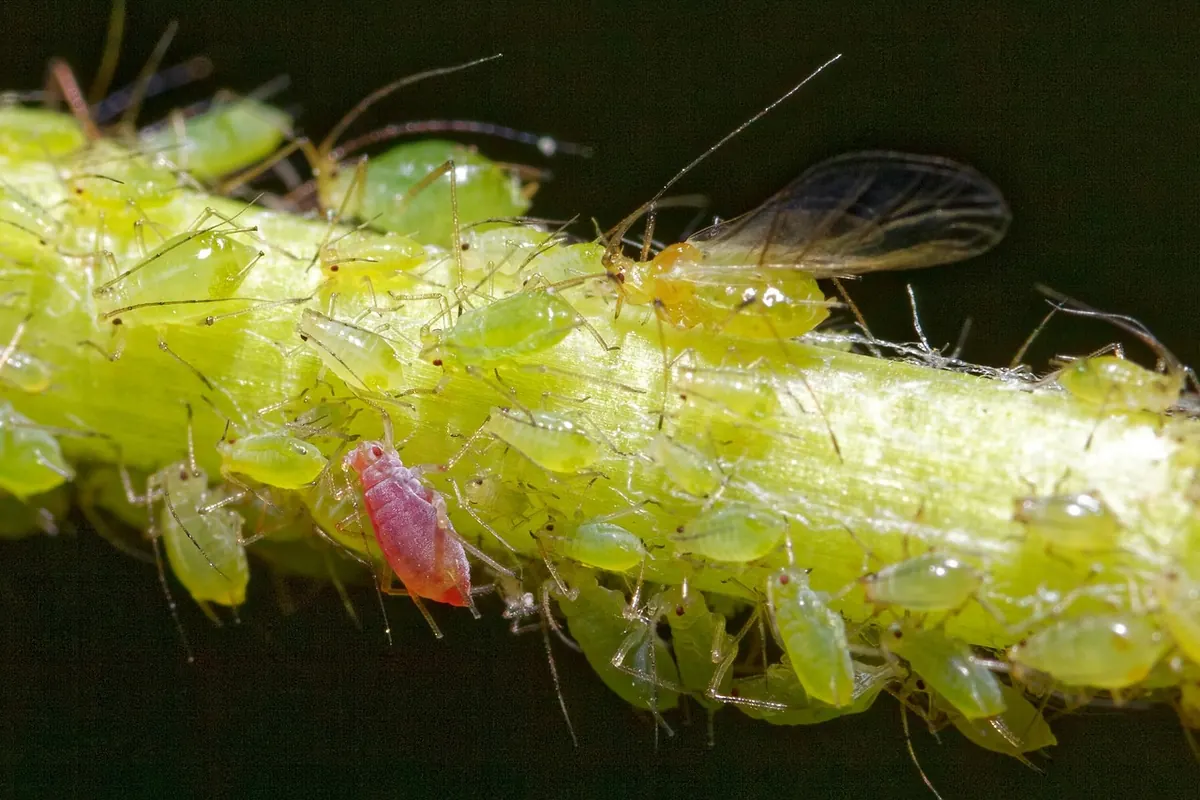
Aphids are soft, pear-shaped insects, usually green but sometimes black, gray, pink, or pale yellow. They cluster on tender new shoots, flower buds, and leaf undersides. When the population grows, leaves curl, yellow, and distort. A sticky film called honeydew coats nearby foliage, and sooty mold may follow. Ants often farm aphids for that honeydew, so a line of ants climbing a stem is a clue to look higher. Because aphids feed by piercing plant tissue and sucking sap, they can also transmit viruses from one plant to another—another reason to act before colonies spread.
Different aphids favor different crops. Cabbage aphids form gray-green clusters inside broccoli and Brussels sprouts. Melon aphids build up on cucumbers, squash, and beans. Green peach aphids move between peppers, spinach, and many brassicas. They reproduce quickly, and crowded colonies produce winged forms that fly to new plants. Check the newest leaves first; that is where the next generation will be.
Low-risk controls for aphids
- Knock them off with water. A firm spray from the hose dislodges many aphids and breaks up colonies. Repeat on two or three mornings.
- Use insecticidal soap or neem oil. These work on contact, so coat leaf undersides and growing tips. Test a small patch first and follow the label. Avoid spraying open flowers.
- Remove the worst tips. If a shoot is crowded with aphids, pinch it off, bag it, and put it in the trash rather than the compost.
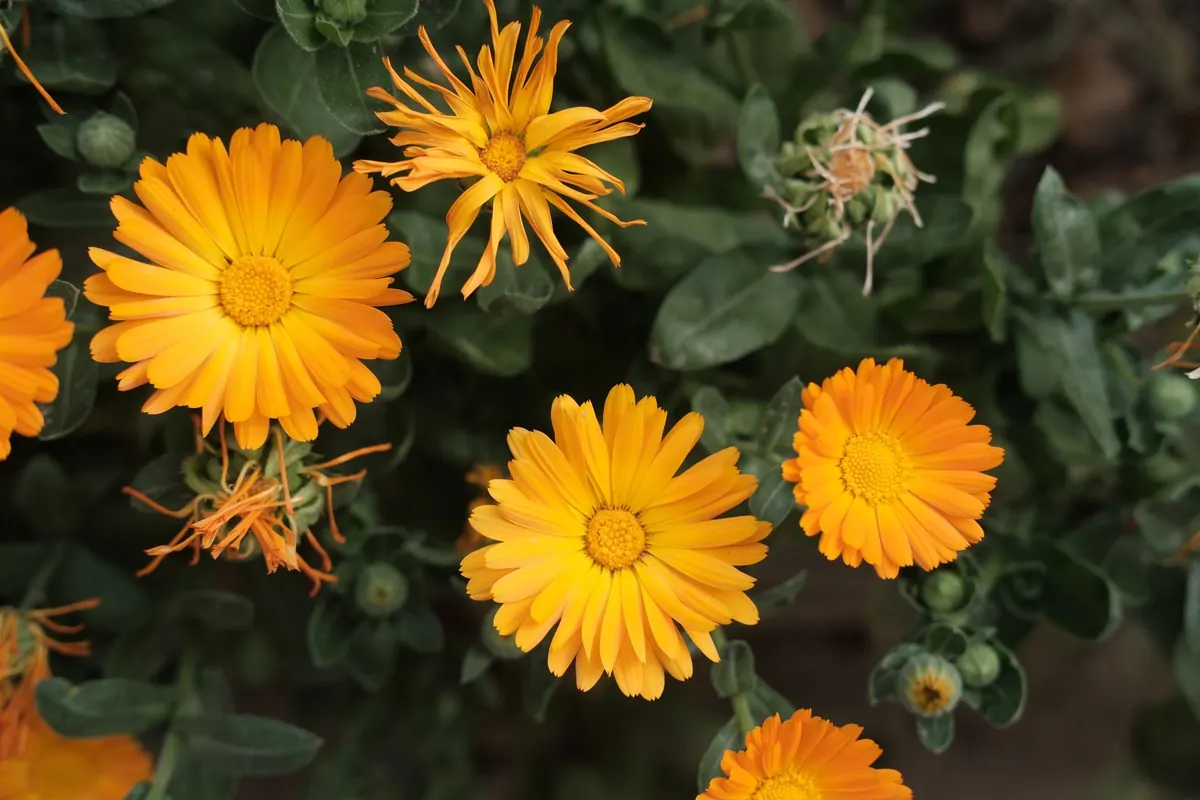
- Welcome beneficial insects. Ladybugs, lacewings, hoverflies, and parasitic wasps do much of the work. Plant sweet alyssum, dill, and calendula nearby, and skip broad-spectrum sprays.
- Ease off nitrogen. Too much nitrogen pushes soft, leafy growth that aphids favor. Feed according to the crop, not by habit.
Check again three to five days after treatment. Soap and oil do not leave a long residue, so a second application may be needed if new aphids hatch. Spray in the evening or on a cloudy day to reduce leaf burn, and never apply soap or oil when plants are drought-stressed or temperatures are above the label limit.
Whiteflies: tiny clouds in the greenhouse
Adult whiteflies look like minute white moths. Brush a tomato plant and they flutter up in a small cloud before settling again. The nymphs are flat, oval, and nearly translucent, stuck to the undersides of leaves. Whiteflies suck sap, cause yellowing and stunted growth, and produce honeydew and sooty mold. They thrive in warm, still air—greenhouses, polytunnels, and crowded beds are their favorite places. Greenhouse whiteflies and sweetpotato whiteflies are common, and both feed on a wide range of vegetables, from tomatoes and peppers to cucumbers, eggplant, and brassicas.
Whitefly damage often starts low on the plant. Look for pale, stippled leaves, sticky honeydew on upper leaves, and black sooty mold on the fruit or foliage below. In greenhouses, the population can explode in a week if ventilation is poor. In the open garden, whiteflies are usually less severe, but they can still weaken seedlings and transmit viruses.
Low-risk controls for whiteflies
- Monitor with yellow sticky traps. Hang them near the crop to catch adults and gauge the population. Traps alone rarely solve an infestation, but they show whether numbers are rising or falling.
- Inspect transplants before they enter the garden. Whiteflies often arrive on bought seedlings. Check undersides and refuse plants with nymphs.
- Prune and bag infested lower leaves. Remove the oldest leaves where nymphs cluster. Seal them in a bag and discard.
- Spray soap or horticultural oil thoroughly. Coverage of leaf undersides matters. Repeat every five to seven days while adults are active, following label directions.
- Use row cover on young crops. A floating row cover keeps whiteflies off seedlings and young transplants. Vent greenhouses and avoid overcrowding to reduce still, humid air.
Parasitic wasps are natural whitefly controls, and they need nectar and pollen to thrive. Keep a few flowering plants around the greenhouse door and avoid sprays while beneficials are active. If whiteflies keep returning, check for nearby infested weeds or old crop debris that can act as a reservoir.
Caterpillars: the chewing crew
Caterpillar damage is easy to recognize: holes in leaves, torn edges, and dark frass pellets on the soil or inside cabbage heads. Unlike aphids and whiteflies, caterpillars chew. Small cabbage white caterpillars skeletonize brassica leaves; cabbage loopers chew ragged holes and hide in the center of the head; tomato hornworms strip entire stems in a day; cutworms sever seedlings at the soil line. Some caterpillars feed at night and hide during the day, so walk the garden in the evening with a flashlight if damage appears without a visible culprit.
Look for eggs, too. Cabbage white butterflies lay single yellow eggs on leaf undersides. Imported cabbageworm larvae are velvety green. Loopers move with a measuring-worm gait. Hornworms are large and green with white stripes, often decorated by small white wasp cocoons. Cutworms curl into a C shape when disturbed and may be found just below the soil surface near a fallen transplant.
Low-risk controls for caterpillars
- Handpick and drop into soapy water. This is simple and effective in small plots. Check undersides of leaves and the center of cabbage heads.
- Apply Bacillus thuringiensis (Bt). Bt kurstaki targets caterpillars and is most effective on young larvae. Spray foliage thoroughly and repeat according to the label, especially after rain.
- Use row cover on brassicas and other vulnerable crops. Cover plants early to keep egg-laying adults away. Make sure edges are buried and no caterpillars are trapped inside.
- Encourage parasitic wasps and birds. Leave a few flowering herbs, avoid broad-spectrum insecticides, and provide water and shelter. Many caterpillars are food for beneficial insects.
- Clean up crop debris. Remove spent cabbage, kale, and broccoli stalks so pupae do not overwinter close to next year’s crop.
Bt works best when caterpillars are small, so scout often and treat early. It is not a quick knock-down product; caterpillars stop feeding and die over a few days. Do not spray open flowers where pollinators are active, and follow label instructions for edible crops and pre-harvest intervals.
Prevention: make the garden less inviting
Most pest problems start with a garden that offers easy food, shelter, and no natural enemies. Rotate crops so brassicas do not follow brassicas and tomatoes do not follow tomatoes. Give plants enough spacing for air to move; crowded beds favor whiteflies and aphids. Remove weeds that host pests and viruses, and clean up crop debris at the end of the season. Use row cover early on vulnerable crops, especially seedlings and transplants. Choose resistant varieties where available, and feed plants moderately so they grow steadily rather than producing a flush of soft, pest-attracting growth.
Planting for beneficial insects is practical, not decorative. Sweet alyssum, dill, fennel, calendula, and yarrow provide nectar and pollen for hoverflies, parasitic wasps, and lacewings. A small patch near the vegetable beds can make a difference. Avoid broad-spectrum sprays, and tolerate a few pests as food for the beneficials that will help control the next generation.
A simple weekly scouting checklist
- Look at new growth first. Check the softest tips and youngest leaves for aphids and whitefly nymphs.
- Turn over five to ten leaves per crop. Note eggs, sticky honeydew, sooty mold, or tiny flat nymphs.
- Inspect the soil line. Look for cut stems, frass, and caterpillars hiding near the surface.
- Check one or two sheltered spots. Look inside cabbage heads, under dense bean foliage, and in the greenhouse corner.
- Record what you see. Note the pest, crop, date, and whether beneficial insects are present.
- Act only when needed. Treat seedlings, stressed plants, and rising populations; leave small numbers on vigorous plants for natural enemies.
Pest management in a vegetable garden is less about wiping out every insect and more about tipping the balance toward healthy plants and beneficials. Learn the three common culprits, scout regularly, and choose the least disruptive control that solves the problem. The harvest is safer, the garden is livelier, and the next pest outbreak is easier to catch while it is still small.
Photo: kkoertshuis / Pixabay
Related posts
More stories you’ll love reading