


Vegetables
Raised Beds vs In-Ground Vegetable Gardens: Which Is Right for Your Yard?
October 06, 2026
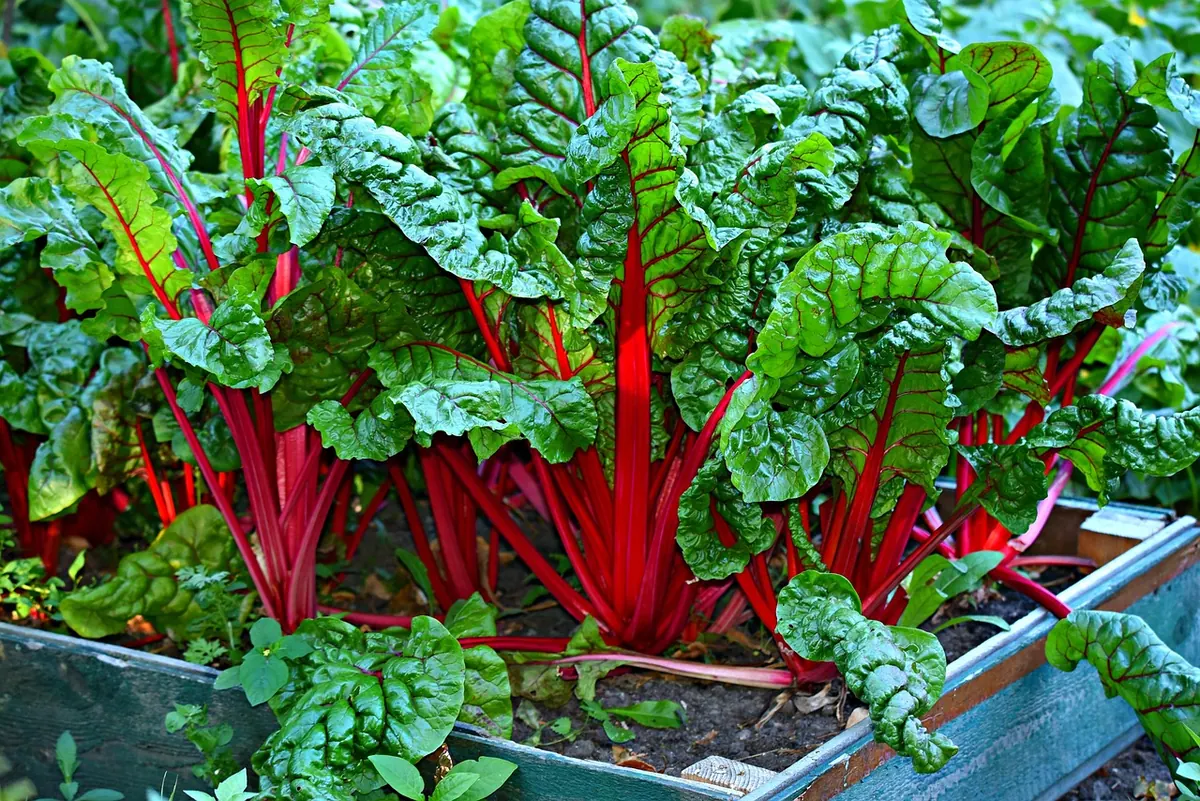
A raised bed is not automatically better than a patch of open ground, and open ground is not automatically cheaper over the long run. The right choice comes down to four things: what your soil does when it rains, how much you want to spend before the first seed goes in, how often you can water in July, and how much bending your back tolerates. Answer those honestly and the decision usually makes itself.
Begin With a Shovel, Not a Shopping List
Before you price lumber or order a truckload of topsoil, spend an afternoon reading the ground you already have. Dig a hole about 30 cm deep — roughly the length of your forearm — and fill it with water. If it drains within a few hours, your soil moves water well. If it is still full the next morning, you have a drainage problem, and that single fact will push you toward raised beds faster than any other consideration.
Next, squeeze a handful of damp soil. If it holds together in a tight ball that feels slick, there is a lot of clay in it. If it crumbles before you can form anything, it is sandy and will dry out quickly. Crumbly, dark, slightly sticky soil that smells like a forest floor is what you are hoping for. Then walk the plot in the wettest week of winter and notice where puddles sit. Those low spots are not where you want to plant in March.
Cost: Where the Money Actually Goes
A raised bed has a higher entry fee. You are buying the container, the hardware, a liner if the wood is not naturally rot-resistant, and — the part people underestimate — the growing medium. A bed 1.2 m by 2.4 m filled 25 cm deep swallows close to three-quarters of a cubic metre of soil mix. Multiply that by four beds and you are arranging deliveries, not carrying bags.
Cedar, larch and galvanised steel cost more than pine and last longer; pine boards are the cheapest way into a raised bed and also the fastest to go soft. In-ground gardening, by contrast, asks mostly for compost, mulch and a borrowed tiller. If your existing soil is reasonable, that is far less money per square metre of growing area, because you are improving what is already there rather than buying a whole volume of it.
Keep the running costs in view too. Raised beds settle and need topping up every year or two, and wooden sides eventually need replacing. In-ground plots need compost and mulch forever, but the ground itself does not rot.
Soil Quality: The Argument That Matters Most
This is where raised beds earn their reputation. When you fill a bed, you control what goes in: a mix of topsoil and compost, screened, loose, free of building rubble and weeds. If your yard sits on heavy clay, compacted subsoil, or fill dirt left by a previous owner, building up is far quicker than digging down. Raised beds also mean you never stand on the growing area, so the structure stays open season after season.
Open ground has its own advantages, and they are easy to overlook. It offers depth — most vegetable roots will travel well past 30 cm, and in a shallow bed they simply stop. It holds moisture far better in August. And it is the cheapest place to build fertility over time: compost spread on the surface, worms pulling it down, mulch holding it in place. If your soil is decent, an in-ground plot three years in is often better than the day you started, with very little spent.
Drainage and the Spring Head Start
Raised beds shed water sideways and warm up sooner in spring, which means you can sow carrots and plant out lettuce while the open ground is still cold and sticky underfoot. The catch is the summer flip side: they dry out fast, and a bed left unwatered through a hot week can undo a month of growth. Plan on drip irrigation or a regular watering routine.
In-ground beds depend on the subsoil beneath them, which you cannot see and rarely control. A hard pan layer, a high water table, or a plot at the bottom of a slope will make spring planting miserable. If that describes your yard, a shallower raised bed — 15 to 20 cm is often enough — solves it without the cost of a deep fill. Growing in mounded rows does a similar job for less money.
Maintenance: Different Work, Not Less
Neither setup is the low-effort option, but they ask different things of you through the year.
- Watering. Raised beds need more of it; expect to water deeply two or three times a week in dry spells rather than a quick daily sprinkle.
- Weeding. Imported soil mix brings fewer weed seeds at first, but edges and paths become weed nurseries. In-ground plots have a seed bank built up over years — mulch is your friend either way.
- Feeding. Raised beds are worked harder per square metre and benefit from compost added each spring; in-ground beds can be fed by spreading compost and letting worms do the mixing.
- Repairs. Check boards, brackets and liners every spring. Rot creeps in from the base, where soil holds moisture against the wood.
- Rotation. Both setups need crop rotation to keep soil-borne problems in check. Four beds or four row groups make this easy to plan.
Space: Paths Eat Square Metres
A raised bed garden is mostly paths by area. You need 45 to 60 cm between beds for a wheelbarrow, and beds no wider than about 1.2 m so you can reach the middle from both sides without stepping in. On a small plot that adds up: three 1.2 m beds with paths between them consume more ground than the beds themselves. What you get in return is tidiness, no trampled soil, and a garden that looks deliberate.
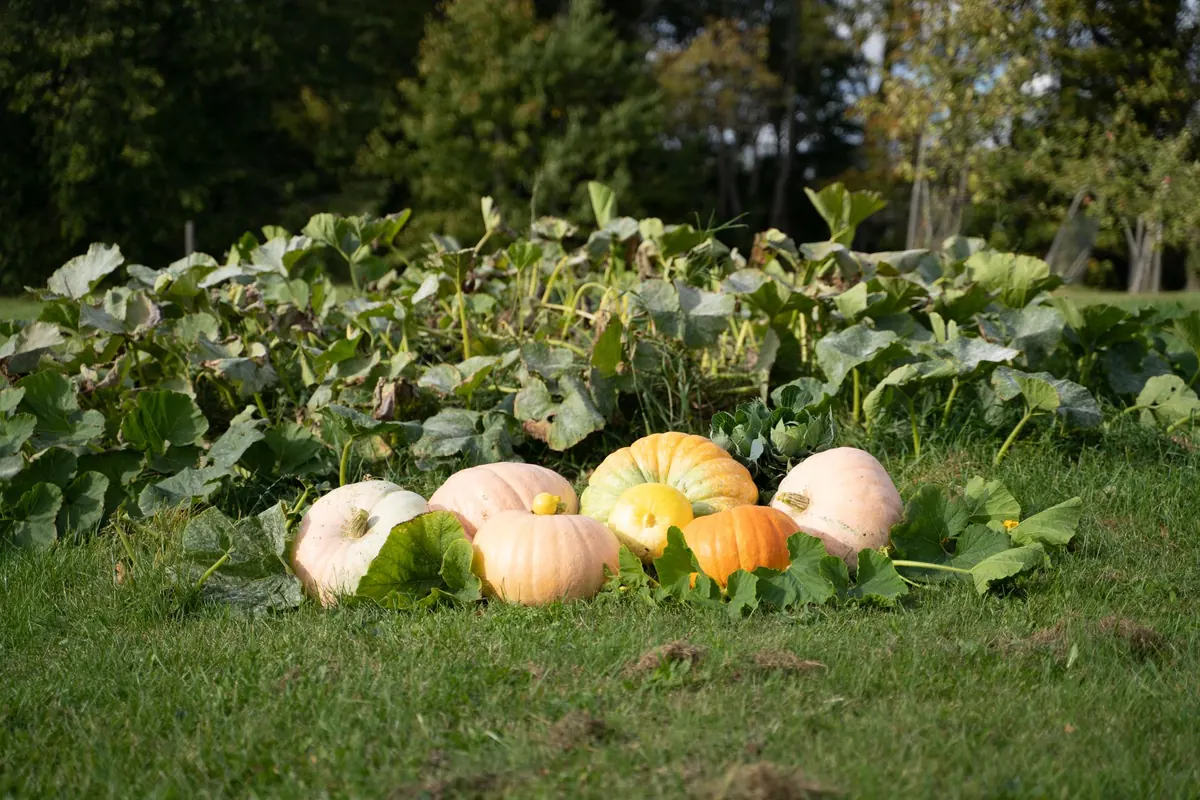
Open ground is more space-efficient for big sprawling crops — pumpkins, sweetcorn, maincrop potatoes — because you can plant in rows and walk only where you must. Raised beds become the smarter choice on pavement, on a patio, or on a slope that would otherwise wash out. They also win on accessibility: a bed built to 60–75 cm tall lets you garden standing or from a stool, which matters more each year.
How to Decide by This Weekend
Work through this in order and the answer will be plain by Sunday evening.
- Run the drainage hole test. Water still sitting after 24 hours means raised beds, or at least mounded rows.
- Judge your soil. Heavy clay, rubble or compacted fill points to building up; decent loam points to improving what is there.
- Count your sun hours and measure your plot, paths included.
- Set a firm budget for the first year, remembering the soil mix, not the timber, is usually the largest line.
- Be honest about watering. If you travel in summer, in-ground beds forgive you more.
Many good gardens mix the two — raised beds near the house for salad, herbs and carrots, open ground at the back for tomatoes, squash and anything that wants room. If your soil is near an old building, an old orchard or a former industrial site, have it tested by a lab or your local extension service before growing leafy greens and root crops, and follow their guidance on raised beds and clean fill. That is one phone call worth making before you spend anything on timber.
Photo: MabelAmber / Pixabay
Related posts
More stories you’ll love reading